Mac mini and Mac Studio
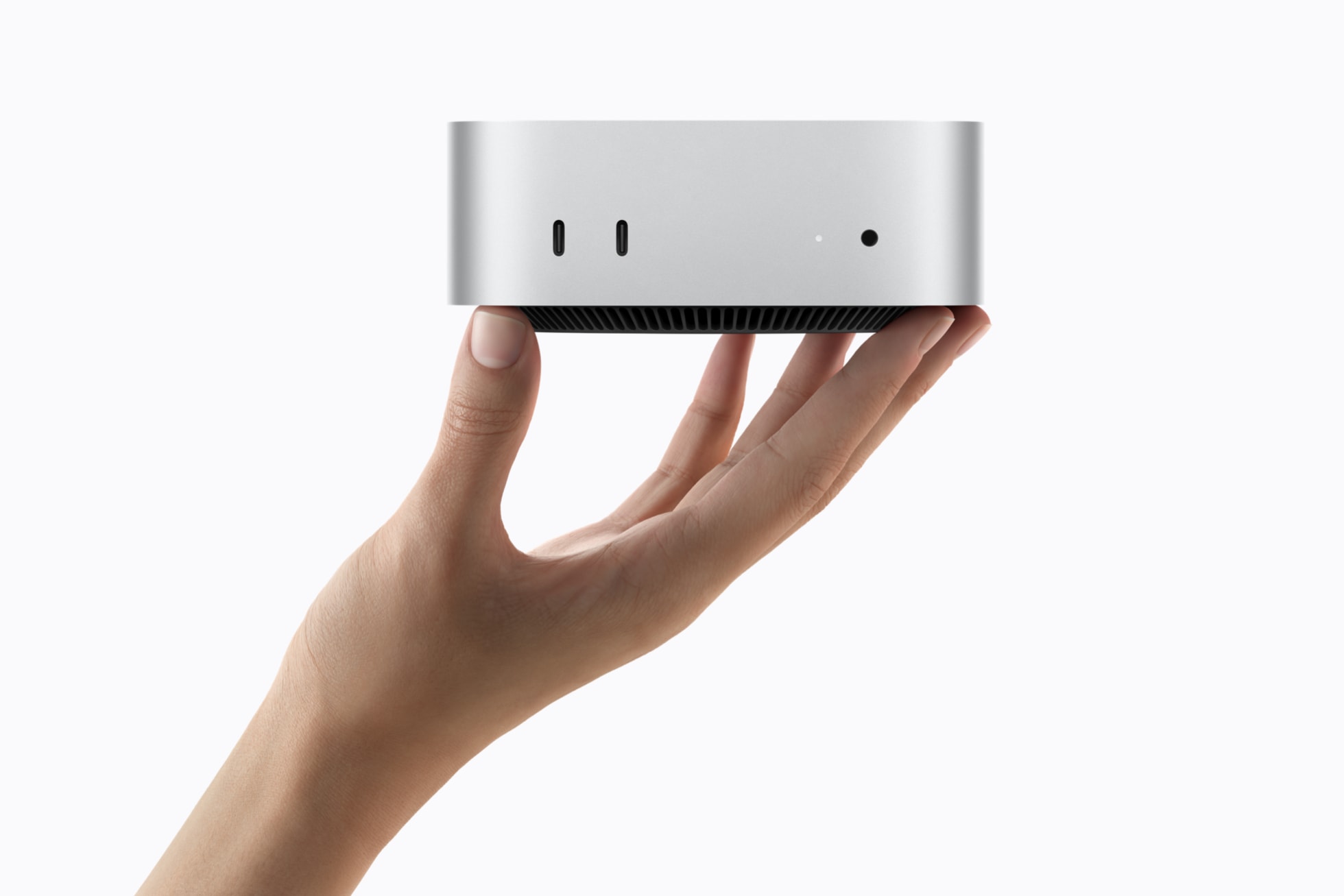
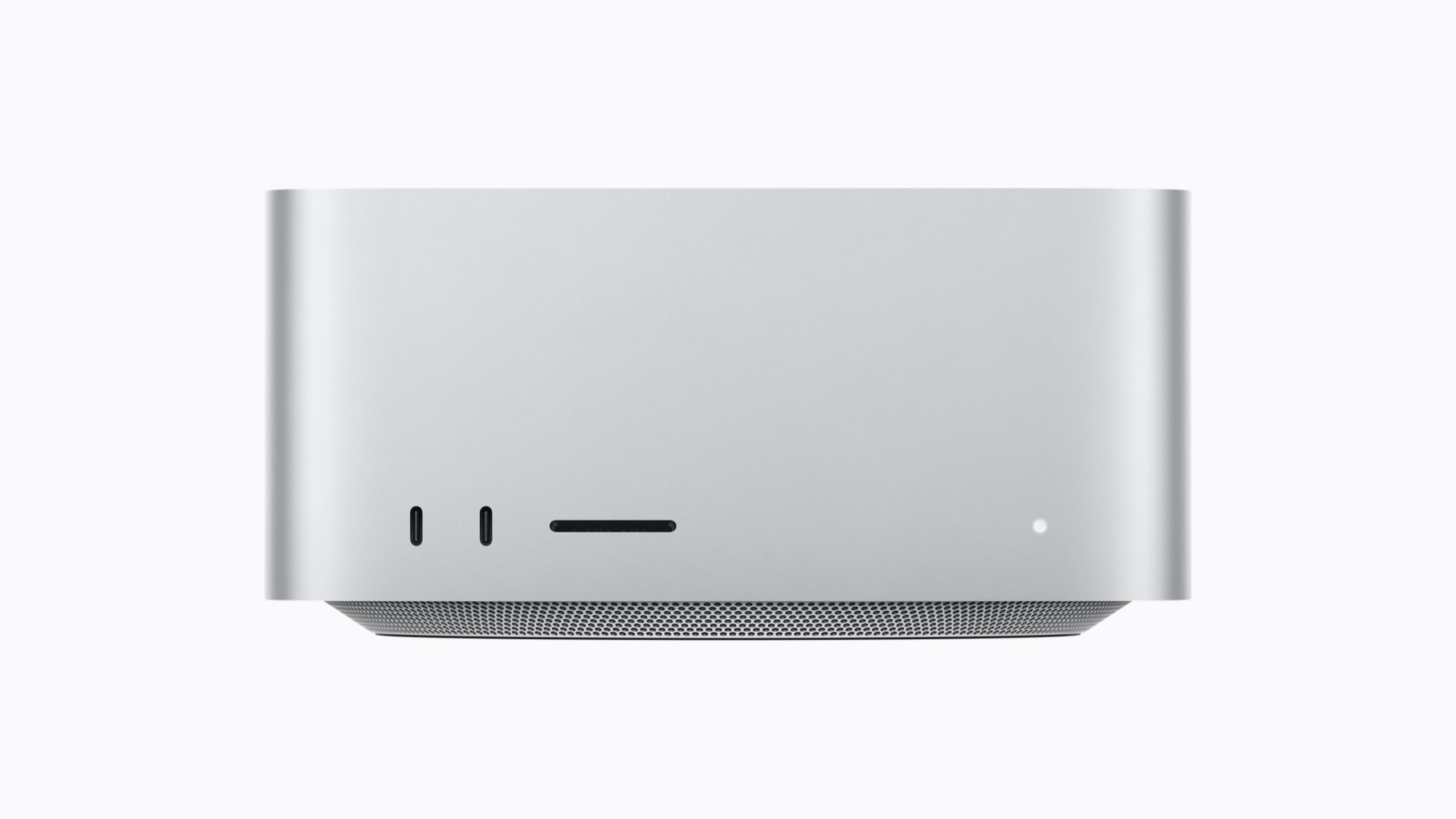
Apple today unveiled the new Mac mini with the all-new M6 and powerful M5 Pro, alongside a new Mac Studio, powered by the M5 Max and M5 Ultra.
The M6 is Apple’s first state-of-the-art 2-nanometer chip, boasting a larger 12-core CPU complex with the world’s fastest CPU core, a larger 12-core GPU with Neural Accelerators, a Dual 16-core Neural Engine, and up to 170GB/s of unified memory bandwidth.
Meanwhile, the M5 Ultra is the first time we’ve seen a quad-die architecture in an M-series system on a chip (SoC). The chip boast an up-to-36-core CPU and up-to-80-core GPU with 1.2TB/s of unified memory bandwidth, 50% more than the M3 Ultra. Apple says they deliver extraordinary compute with industry-leading power efficiency, allowing users to do even more on a desktop.
Apple says the M6 allows the Mac mini to now deliver up to 4x faster AI performance, 2x faster storage and graphics, and 40% faster CPU performance. Mac mini with M6 provides plenty of horsepower for everything to everyday productivity tasks to agentic AI workflows. Meanwhile, the Mac mini with M5 Pro delivers pro-level performance for demanding projects like video production to game development.
Both Mac mini models include Wi-Fi 7 and Bluetooth 6, as well as upgraded 2.5Gb Ethernet, with a 10Gb option available.
Mac Studio with M5 Max boasts an 18-core CPU, with up-to-40-core GPU with Neural Accelerators built into each core, and up to 128GB of unified memory, Apple says it is built to accelerate complex pro and AI workloads.
Meanwhile, the Mac Studio with the powerful M5 Ultra, scales up to a 36-core CPU, up to an 80-core GPU, and a staggering 512GB of unified memory (so that won’t be cheap!), enabling users to run enormous LLMs entirely on device.
Wi-Fi 7 and Bluetooth 6 are available on the Mac Studio for the first time, while Thunderbolt 5 provides access to blazing-fast external storage, PCIe expansion chassis, and powerful hub solutions. Thunderbolt 5 also enables multiple Mac Studio systems to be clustered, bringing up to 3x faster performance for distributed AI inference when compared to a single system.