

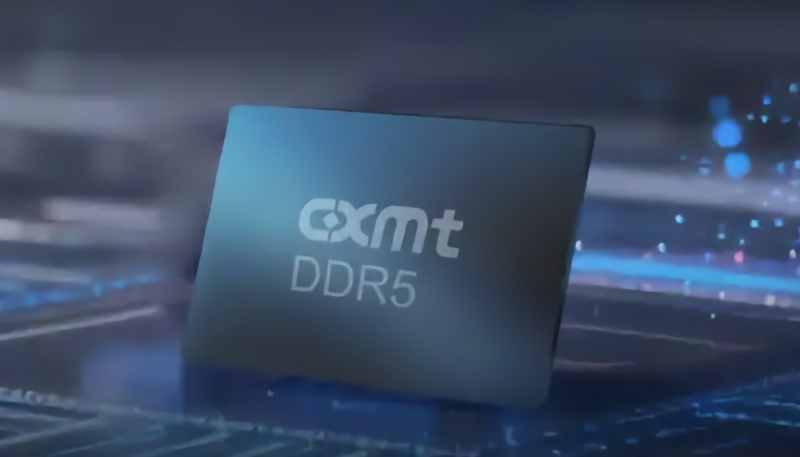
As Apple continues to struggle in getting its hands on enough memory chips for its Mac and iPhone devices, US Commerce Secretary Howard Lutnick has urged the device maker not to purchase chips from Chinese memory supplier CXMT, saying “It’s not great American companies using Chinese memory.”
Apple recently was forced to raise prices on several of its products, including Macs, iPads, and other devices, due to the skyrocketing price of RAM. Chipmakers have moved their manufacturing focus to chips for AI servers, leaving less supply for consumer devices. Demand is greatly outpacing supply, meaning memory manufacturers can charge much higher prices.
CXMT, as well as competitor YMTC are both on the Defense Department’s 1260H list of Chinese companies that the U.S. suspects have ties to the People’s Liberation Army. YMTC is also on a U.S. Commerce Department blacklist that prevents U.S. companies from selling to companies on the list without an export license.
While Apple is not required to get U.S. approval before buying chips from the Chinese companies, doing so would help them prevent the wrath of the Trump administration. However, some Trump administration officials are said to be against allowing Apple purchase chips from CXMT or YMTC.
As reported by the Wall Street Journal on Friday, following his tour of the new Apple Advanced Manufacturing Center in Houston, Lutnick issued a mild warning to Apple. Lutnick told the media, “The Trump administration is not in favor of that.”
Lutnick then said there must be other ways to fix the problem, as, “It’s not great American companies using Chinese memory.”
When asked if the message was intended for Apple, Lutnick curtly stated “Plainly.”
Apple has had to deal with several issues over its plan, as a bipartisan group of US senators has pressured Apple Inc. to drop its plans to buy chips from the blacklisted Chinese duo, due to fears that it could make the iPhone maker more reliant on a US adversary for crucial components.
Idaho-based Micron Technology has also attempted to raise concerns over Apple’s plan, saying it could “destroy the domestic industry.” It should be noted that Micron reportedly supplies somewhere around 30% of the memory components Apple uses in its devices.
Please note that CXMT being on the US blacklist doesn’t specifically block it from making a deal with CXMT, and Apple also doesn’t apparently have plans to use the chips in any products intended for US customers. However, it would likely block the Defense Department from buying Apple products, as the Defense Department is not allowed to make agreements with companies on the blacklist, nor use products or services from third parties that use components from blacklisted companies.
Also, Apple would undoubtedly prefer to not anger the Trump administration, whose favorite economic weapon these days is tariffs.
While Apple was hoping to make a deal with CXMT for lower RAM prices, that plan has been foiled, by the memory supplier itself. While Apple had hoped to use the lower prices it would negotiate with CXMT to leverage lower prices from its usual memory suppliers, Samsung and SK Hynix, to lower their prices, CXMT is looking to be paid the same price Samsung gets paid.
There are also rumors that CMXT could be placed on the “Entity List,” meaning all trade with the company would be blocked completely. If Apple moved forward with signing such a deal with CXMT and it is then placed on the “Entity List,” the Cupertino firm would be back at square one in its attempts to secure enough memory for its devices.
Apple has had to deal with several issues over its plan, as a bipartisan group of US senators has pressured Apple Inc. to drop its plans to buy chips from the blacklisted Chinese duo, due to fears that it could make the iPhone maker more reliant on a US adversary for crucial components.
Idaho-based Micron Technology has also attempted to raise concerns over Apple’s plan, saying it could “destroy the domestic industry.” It should be noted that Micron reportedly supplies somewhere around 30% of the memory components Apple uses in its devices.
