

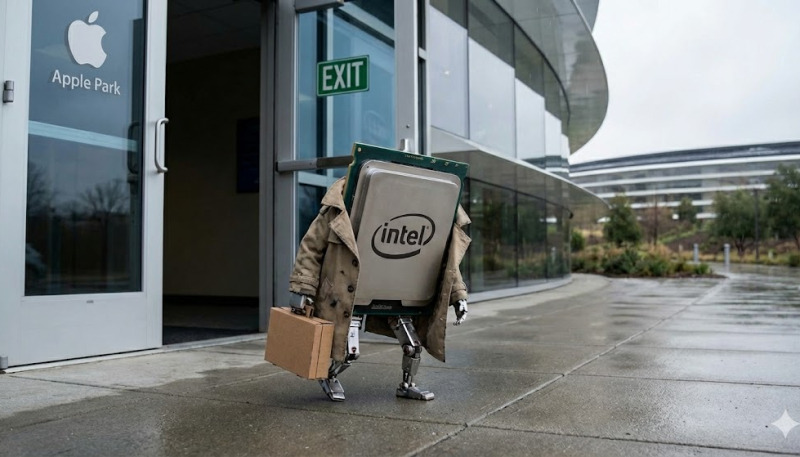
The Mac line of computers have used four different processors throughout its lifetime. While each generation of chips had its good points and bad, their usefulness eventually came to an end. The end of the line for Intel processors officially comes to and end with macOS 27 Golden Gate.
Apple began using Intel processors (yes, the same processors are used in Windows PCs) in 2006. These processors offered a way for users to not only access Mac software, but still be able to access Windows software, either via Boot Camp or a Windows virtual machine on their Mac desktop.
The Writing on the Wall for Intel Macs
Intel processors were used in all Macs until 2020, when Apple announced it would begin transitioning the Mac line to its own in-house developed processors, known as Apple Silicon. Apple slowly transitioned the Mac lineup to Apple Silicon over the next few years, until 2023, when the last Intel Mac was boxed up and shipped.
Apple is known for still supporting its devices for several years after they are discontinued, and continued to offer macOS support for Intel machines, although the list of supported machines slowly dwindled each generation of macOS.
With the release of macOS 27 Golden Gate, Intel support has completely come to an end. You’ll still be able to use your Intel Mac, you just won’t be able to run the latest version of macOS or have access to the latest versions of most apps.
Rosetta
When Apple released the first macOS version for Apple Silicon, it also included a program called Rosetta 2, a dynamic binary translator that allowed Intel-based software to continue to be used on Apple Silicon Macs. However, Rosetta 2 support will end with next year’s macOS release, except for a limited version that can run older Intel-based games.
So long Intel, it was fun while it lasted.
