
Apple has assured The Verge that missed lease payments will not activate the “Restricted Mode” system currently under development in iOS 27. While Apple may be reassuring the public that the new system isn’t meant to penalize iPhone customers who miss their lease payments, just what the code is intended for is still uncertain.
Last week, the fine folks over at 9to5Mac found code in the latest iOS 27 beta that “appears to reveal a broader system for managing a financed iPhone.” The new system included in iOS 27 is called App Managed Features.
On iPhones with iOS 27 Developer mode enabled, a new App Managed Features menu option appears under the new Managed Financing Testing section in “Settings” -> “Developer.”
As for what’s displayed on an iPhone when Restricted Mode is activated, The report says the alert interface that will be displayed reads:
Restricted Mode is ON
Demo has restricted apps and their associated subscriptions on this iPhone, Pay your balance now to restore full service.
The code appears to refers to financing, and it’s designed to lock down key parts of an iPhone should the owner start missing lease payments.
The new “Restricted Mode” appears to block access to most apps — including nearly all third-party apps — until lease payments are caught up. A specific list of exceptions ensures that some basic, critical functionality is still available, such as allowing phone calls and allowing access to important information, like health data, settings, wallet cards, and passwords.
The allowlist is said to include Accessibility Reader, App Store, Clock, Health, Magnifier, Passwords, Phone, Settings, and Wallet, meaning the apps would be accessible even when Restricted Mode is enabled. Apps that can send critical alerts — like Messages, Home, and medical and safety apps — may also remain accessible.
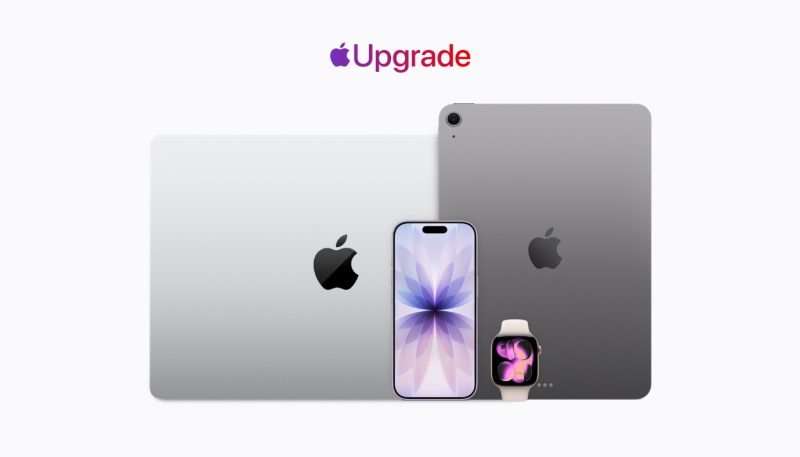
While Apple has assured The Verge that Restricted Mode will never be used in the case of missed payments on the Apple Upgrade program, it did not inform the publication exactly what the mode will be used for! As we all know, lack of information tends to lead to speculation, so here goes.
While the new restriction feature apparently won’t be used in the Apple Upgrade program, other parties, such as carriers, retailers, or other partners, that would love to have the ability to LoJack your iPhone if you don’t make your payments. Device restrictions are already used to enforce installment agreements in several countries.
Indian lenders have in the past worked with smartphone manufacturers to allow remotely blocking financed devices when borrowers missed payments. However, the Reserve Bank of India (RBI) told non-bank lenders to stop the practice in late 2024, due to concerns about the sharing of customers’ default information between lenders and device manufacturers.
A more limited version of the practice is now allowed in the country. In May, the RBI announced it was proposing a compromise, which would allow lenders to restrict certain functions on financed phones, whenever finance payments are at least 90 days overdue. Borrowers would need to agree to the measure in the device contract and would received advance notice.
The proposal allows certain essential functions – such as incoming calls, emergency services, internet access, and government alerts – to remain available.
While it’s certainly good to know Apple doesn’t have plans to LoJack your iPhone, it’s a bit unnerving to not know exactly what the “Restricted Mode” is intended for.
