

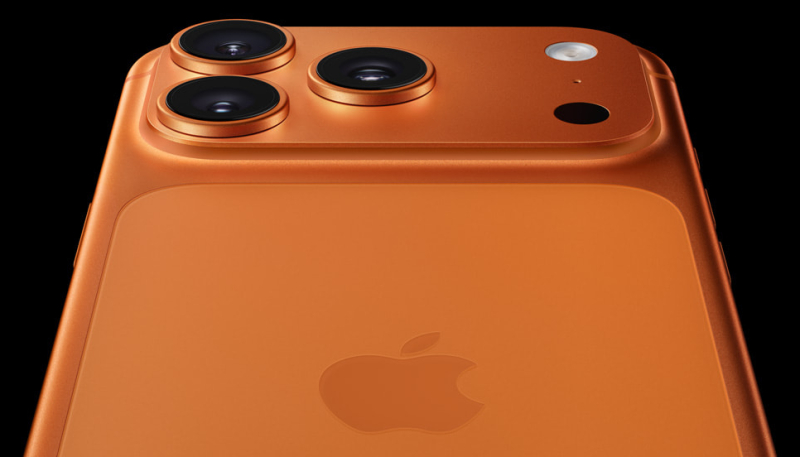
Apple’s iPhone owns 65% of the global premium smartphone market, contributing to the premium segment’s share of overall smartphone sales climbing to a record 29%, according to Counterpoint Research’s Handset Model Sales Tracker, which tracks smartphones with a wholesale average selling price of $600 or more.
Apple’s premium segment revenue grew 9% year-over-year in the first half of 2026, thanks to the strong sales of the iPhone 17 lineup.
Even though revenue grew, Apple’s share of the premium segment slipped from 74% in the first half of 2022, thanks to intensifying competition in China where Huawei, Xiaomi, OPPO, and vivo have all improved their flagship offerings, enticing more Chinese consumers to their devices.
Over all the broader premium segments unit sales grew 5% year-over-year in the first half of 2026, with the segment’s overall market share up from 25% in the first half of 2025. Counterpoint says those gains are due largely from fast-rising memory and component costs, which have hit low- and mid-tier phones harder than high-end models.
As mid-segment Android smartphone prices rise, the price gap with premium devices, especially older or discounted flagship models, is narrowing. This trend makes flagship smartphones a better upgrade option for consumers. To support this shift, OEMs are expanding financing, trade-in and buyback programs to improve affordability. Samsung has also expanded its Galaxy Forever program to several markets to make flagship devices more accessible.
Meanwhile, Samsung holds 19% of the premium segment after 3% year-over-year growth.
