

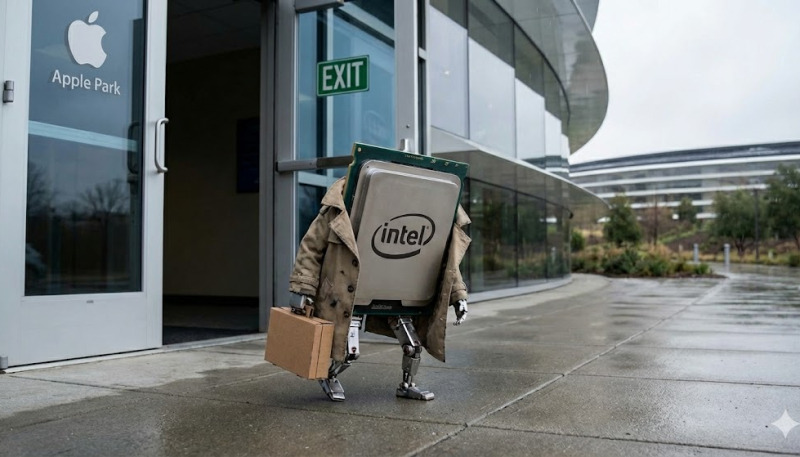
Apple has informed developers that their Universal Mac App Store apps that require macOS 13 or later can have support for Intel-based Mac computers removed.
We’re reaching out to let you know that universal macOS apps on the Mac App Store that require macOS 13 or later can now remove support for Intel-based Mac computers.
By removing support for Intel-based Mac computers, you can simplify your development and optimize your download and on-device size.
Apps that drop Intel support will no longer deliver updates for those machines, but Intel Mac users will still be able to use their Intel Mac, they just won’t be able to run the latest version of macOS or have access to the latest versions of most apps. Apple did not previously allow developers with Mac App Store apps to drop support for Intel compatibility.
As we previously noted, Intel processors were used in all Macs until 2020, when Apple announced it would begin transitioning the Mac line to its own in-house developed processors, known as Apple Silicon. Apple slowly transitioned the Mac lineup to Apple Silicon over the next few years, until 2023, when the last Intel Mac was boxed up and shipped.
When Apple released the first macOS version for Apple Silicon, it also included a program called Rosetta 2, a dynamic binary translator that allowed Intel-based software to continue to be used on Apple Silicon Macs. However, Rosetta 2 support will end with next year’s macOS release, except for a limited version that can run older Intel-based games.
