

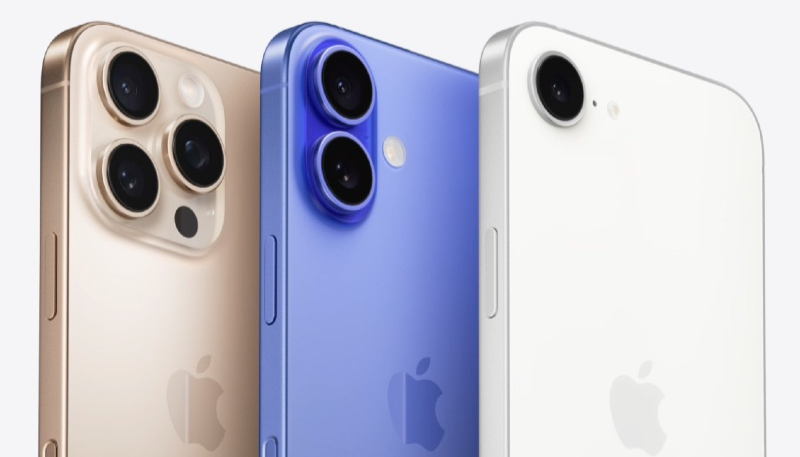
Shipments of Apple’s iPhone are expected to grow nearly 4% in 2025, while the rest of the smartphone industry is facing lower demand and other setbacks, says a new report from IDC.
IDC projects 1% year-over-year growth to 1.24 billion units, up from its earlier May forecast of just 0.6%. The iPhone is the main impetus behind the increase, shipments of the iPhone are now expected to expand 3.9% this year. IDC noted that without Apple being in the mix, the global smartphone market would likely be in decline.
“While tariff volatility continues to pose high uncertainty, for now it is just background noise for the majority of smartphone vendors. OEMs must push forward their diversification and production plans to ensure there are enough shipments to fulfill demand which remains healthy in most markets, in select segments,” said Nabila Popal, senior research director with IDC’s Worldwide Quarterly Mobile Phone Tracker. “Strong growth in U.S. and Middle East and Africa (MEA), of 3.6% and 6.5%, as well as 0.8% growth in Asia Pacific excluding China (APeC) in 2025 will help offset the 1% decline in China expected this year. China’s forecast was reduced from previous 3% YoY growth, as the government subsidies phase out and are no longer expected to significantly stimulate demand amidst ongoing economic challenges. With this mixed bag of regional trends, the key to success for OEMs will be identifying where those pockets of opportunities are.”
Android sales have shown weakness, particularly in China. Meanwhile, trade-in offers, installment plans, and customer loyalty have allowed iPhone shipments to grow in a world where several users now hold on to their smartphones for four years or more. It helps that iPhone customers remain locked into the iOS ecosystem, a factor that has helped.
Average selling prices in the smartphone industry are forecast to increase 5% in 2025, with overall value rising 6%. IDC attributed this to smartphone vendors’ focus on premiumization, promotions, and interest-free financing.
While Apple’s iPhone shipments continue to rise, it relies heavily on U.S. cellular carriers for its iPhone sales, despite Apple’s extensive network of retail stores. A separate report from Consumer Intelligence Research Partners (CIRP) covering the 12 months from June 2024 to June 2025 found that about 75% of iPhone sales in the United States are through the big three cellular providers, AT&T, Verizon, and T-Mobile.
iPhone loyalty continues to be impressive, sitting at 89%, rising to 92% when a customer is sticking with their current cellular provider, but falling to 79% if they change carriers. Promotions and store staff influence is a significant factore when it comes to customers sticking with the iPhone or switching to the Android platform.
