
Apple CEO Tim Cook, in an interview with CNBC’s Steve Kovach, this week confirmed that not only is his company’s “Personalized Siri” virtual assistant is still on track for launch sometime in 2026, and said that the company is exploring additional AI partnerships.
While Apple executives have said the company is reaching out to AI companies as a part of the company’s plans to integrate with multiple AI models like Google’s Gemini, there has not yet been any confirmation of such deals. In fact, when CNBC brought up the subject, Cook stopped short of providing details of any such partnerships, saying only that Apple’s “intention is to integrate with more people over time.”
As noted by 9to5Mac, Apple developers have also been working on Model Context Protocol (MCP) support on its iOS, iPadOS, and macOS platforms. (MCP is an open standard that allows for interoperability between AI models, tools, and apps. Apple has also been working to expand support for additional third-party models for Image Playground.
Apple first unveiled “Personalized Siri” during its June 2024 WWDC keynote address. The demonstration at the keynote, which was later revealed to be a canned demo, showed an iPhone user asking Siri about their mother’s flight and lunch reservation information, with Siri replying based on information from the user’s Mail and Messages apps.
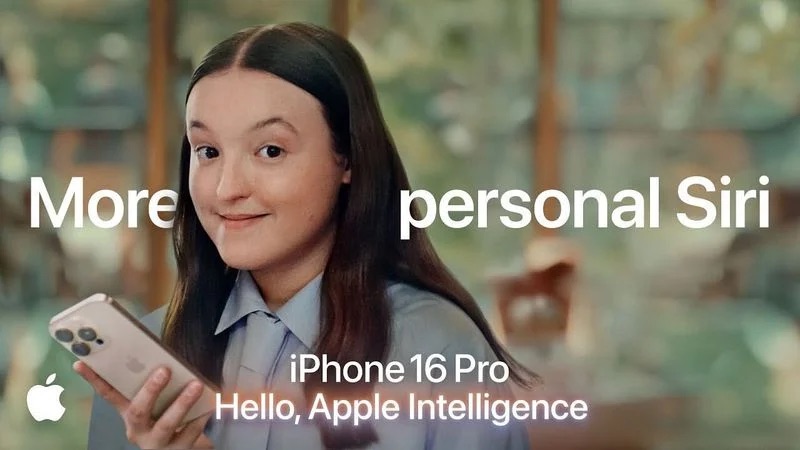
A TV commercial starring actor Bella Ramsey was also released, but stopped airing soon after the March 2025 announcement that the new and improved AI-powered Personalized Siri would be delayed.
Apple is now facing multiple class action lawsuits over the delays.
U.S. complaint, filed in a California federal court, alleges that Apple violated false advertising and unfair competition laws by marketing Apple Intelligence upgrades for Siri that are are not actually available. The named plaintiffs said they would never have purchased or paid as much for an iPhone 16 had they known that Apple’s marketing about the features was false and misleading.
A similar complaint was filed against Apple soon after, in the Canadian province of British Columbia.
The class action lawsuits in the U.S. and Canada both seek damages from Apple. Class members who purchased an iPhone 16 due to the promised personalized Siri features could eventually receive a payout from Apple, if the company is found to have broken the law.
