

Apple has ceased signing multiple iOS and iPadOS updates, preventing users from installing the updates, even if they are showing as available for their device, reports MacRumors.
The affected versions include updates to iOS 12, iOS 15, iOS 16, and iOS 18.
On Monday, Apple released iOS 18.7.4, iOS 16.7.13, iOS 15.8.6, and iOS 12.5.8 for older iPhone models, along with iPadOS 15.8.6, iPadOS 16.7.3, and iPadOS 18.7.4 for iPad models.
The report says the updates were released to allow core system services to continue functioning on older devices that no longer receive major iOS releases. One of the fixed issues prevented some devices from being able to make emergency calls.
Affected iPhone and iPad models include:
- iPhone SE (1st generation)
- iPhone SE (2nd generation)
- iPhone 5s
- iPhone 6 and iPhone 6 Plus
- iPhone 6S and iPhone 6S Plus
- iPhone 7 and iPhone 7 Plus
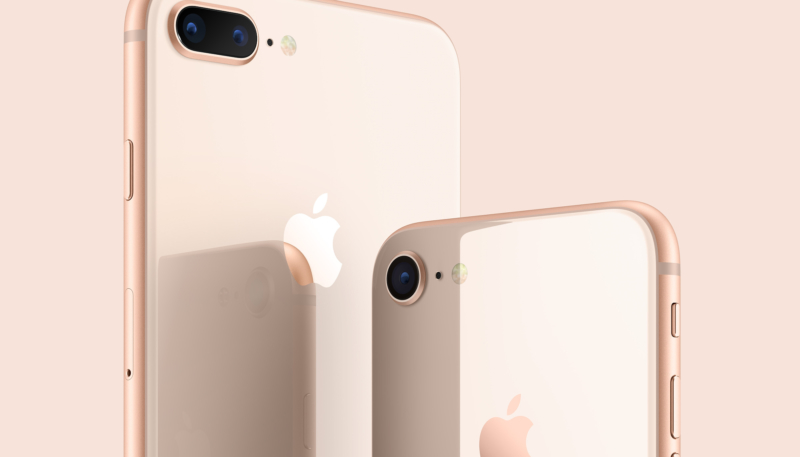
- iPhone 8 and iPhone 8 Plus
- iPhone X
- iPhone XS and iPhone XS Max
- iPhone XR
- iPhone 11, iPhone 11 Pro, iPhone 11 Pro Max
- iPhone 12, iPhone 12 mini, iPhone 12 Pro, iPhone 12 Pro Max
- iPad mini 2
- iPad mini 3
- iPad Air
- iPad Air 2
- iPad mini 4
- iPad Pro (9.7-inch)
- iPad Pro (12.9-inch) (1st generation)
- iPad (5th generation)
- iPad (7th generation)
- iPad (8th generation)
None of the updates fixed security vulnerabilities or offer new features. According to Apple’s release notes, the main purpose is to replace an expiring security certificate.
Apple has not shared its reasoning behind stopping signing the updates. However, in a support document shared by 9to5Mac, Australia telecommunications company Telstra says it is currently investigating an issue preventing some older Apple devices from connecting to its network, including calls to 000. They recommend customers using these devices delay updating the software on their device until they confirm the issue is resolved.
Devices that may be impacted include:
- iPhone 8 updated to iOS16.7.13
- iPhone 8 Plus updated to iOS16.7.13
- iPhone X updated toiOS16.7.13
