

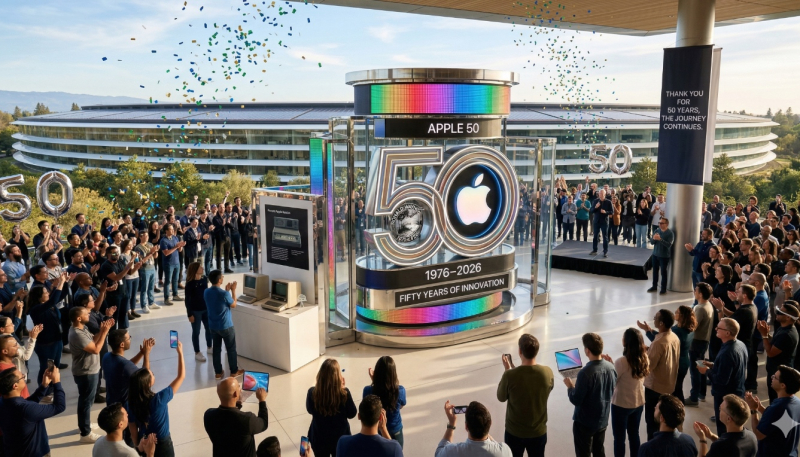
Happy 50th Birthday Apple! (Apple was founded on April Fools Day, April 1, 1976.)
How It Began
Steve Jobs, Steve (Woz) Wozniak, and Ronald Wayne founded what would become one of the most successful companies in history. The company was originally founded to sell the Apple I personal computer kit to the Homebrew Computer Club. The Apple I sold for $666.66.
The Apple I was designed and hand-built entirely by Wozniak. To finance the computer, Jobs sold his Volkswagen Bus, and Wozniak sold his HP-65 calculator. Together earning $1,300.
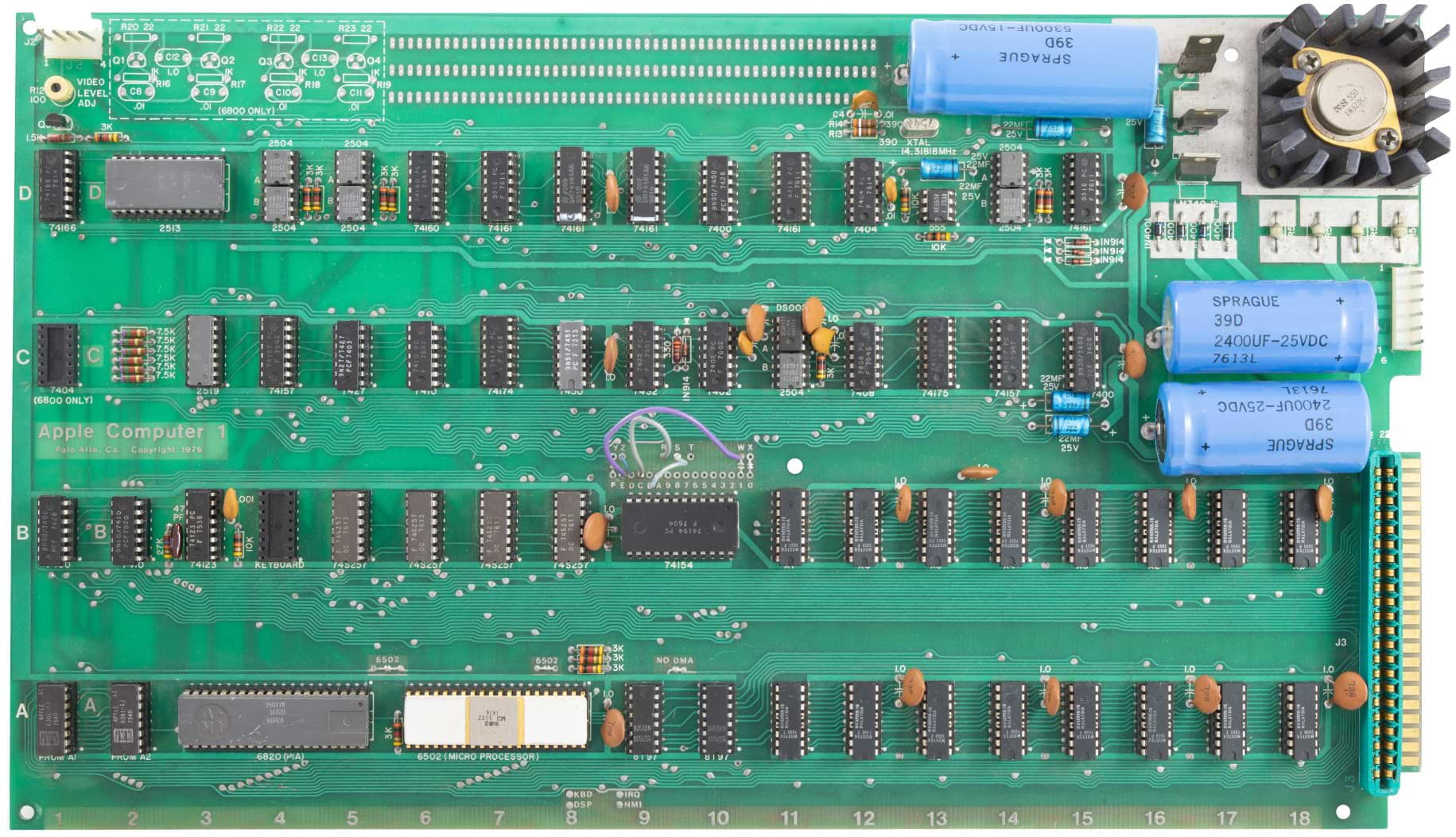
Wozniak unveiled the first prototype Apple I at at meeting of the Homebrew Computer Club in July 1976. It was sold as a kit, which included a motherboard with CPU, RAM, and basic video chips.
Wayne sold his 10% share of the company back to Jobs and Wozniak for $800 just 12 days later. (That investment would be worth billions today.) Jobs and Wozniak hung in there, releasing the Apple I, which revolutionized the then-fledgling home computer industry.
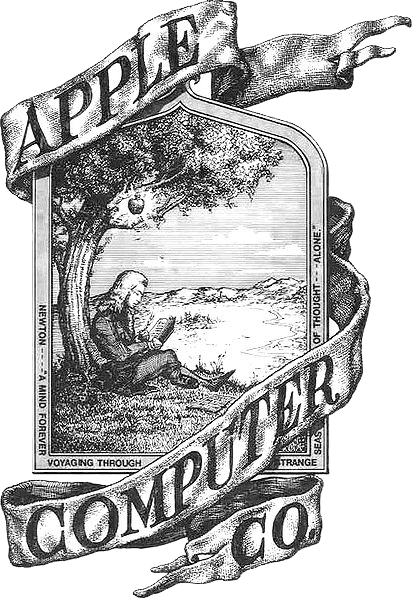
The company’s first logo incorporated Sir Isaac Newton, due to the “Apple” connection. It was hand-drawn by Ronald Wayne and contains a quotation from William Wordsworth “Newton… A Mind Forever Voyaging Through Strange Seas of Thought…Alone.”
The Apple II
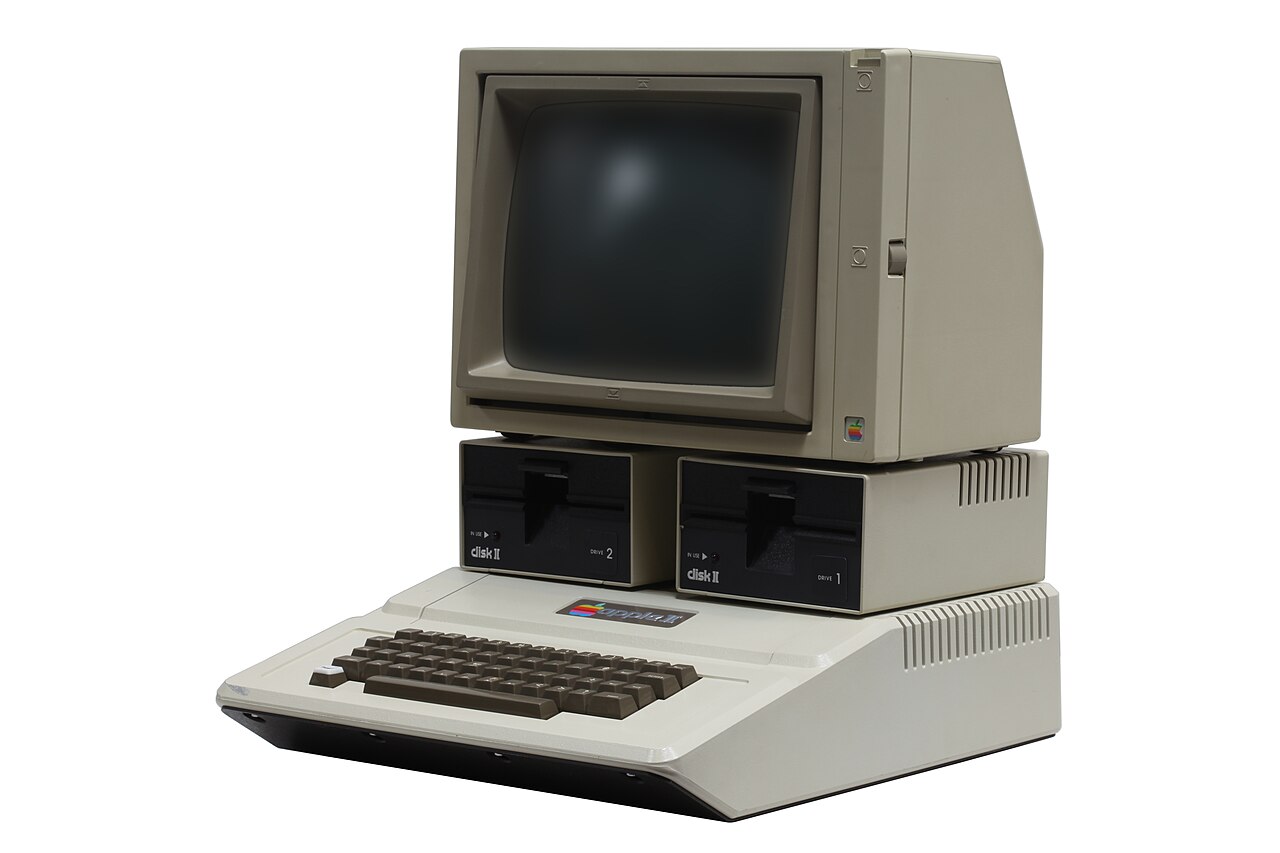
The Apple II, also designed by Wozniak, debuted in April 16, 1977, at the first West Coast Computer Faire. It offered character cell-based color graphics and an open architecture. The Apple I and early Apple II models originally ordinary audio cassette tapes for storage. Apple began offering a 5 1⁄4-inch floppy disk drive and interface it called the Disk II in 1978.
The 80s
In 1984, Steve Jobs unveiled the Macintosh, the world’s first truly successful computer with a graphical user interface (GUI). The revolutionary device used a mouse to control an on-screen pointer, offering point-and-click access to applications and documents. Most of the personal computers during this era ran character-driven operating systems, such as MS-DOS, which ran on the IBM PC and compatibles.
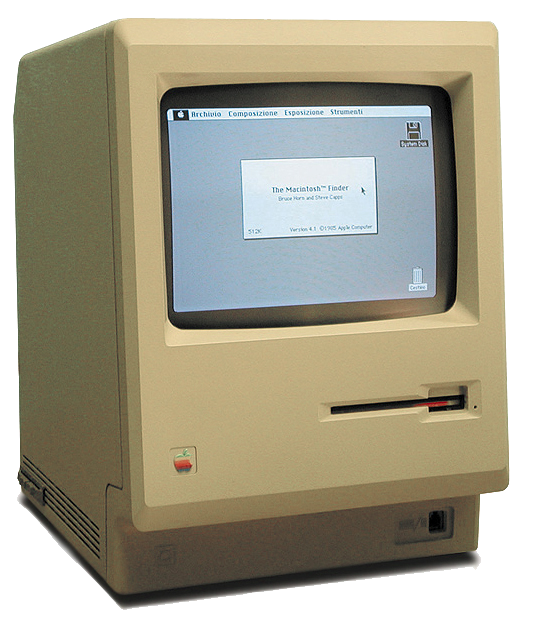
The price for the original Macintosh started at $2,495 (nearly $8,000 in 2026). The OG Macintosh was powered by an 8 MHz processor, had 128 KB of RAM, and stored data on a 400 KB floppy disk drive. Serial ports were used for connecting a printer and other accessories.
In 1985, Apple released one of the first mass-market laser printers, the LaserWriter.
The 90s
The 1990s was a perilous decade for Apple, as things began to go downhill after Steve Jobs left the company in the mid-80s, following the hiring of “sugar water salesman John Sculley” to run things. Jobs founded another computer c0mpany NeXT and returned to Apple in 1997, as his return was part of the company’s acquisition of NeXT. Included in the deal was NeXTSTEP, the UNIX-based operating system that ultimately morphed into Mac OS X, the successor to classic Mac OS.
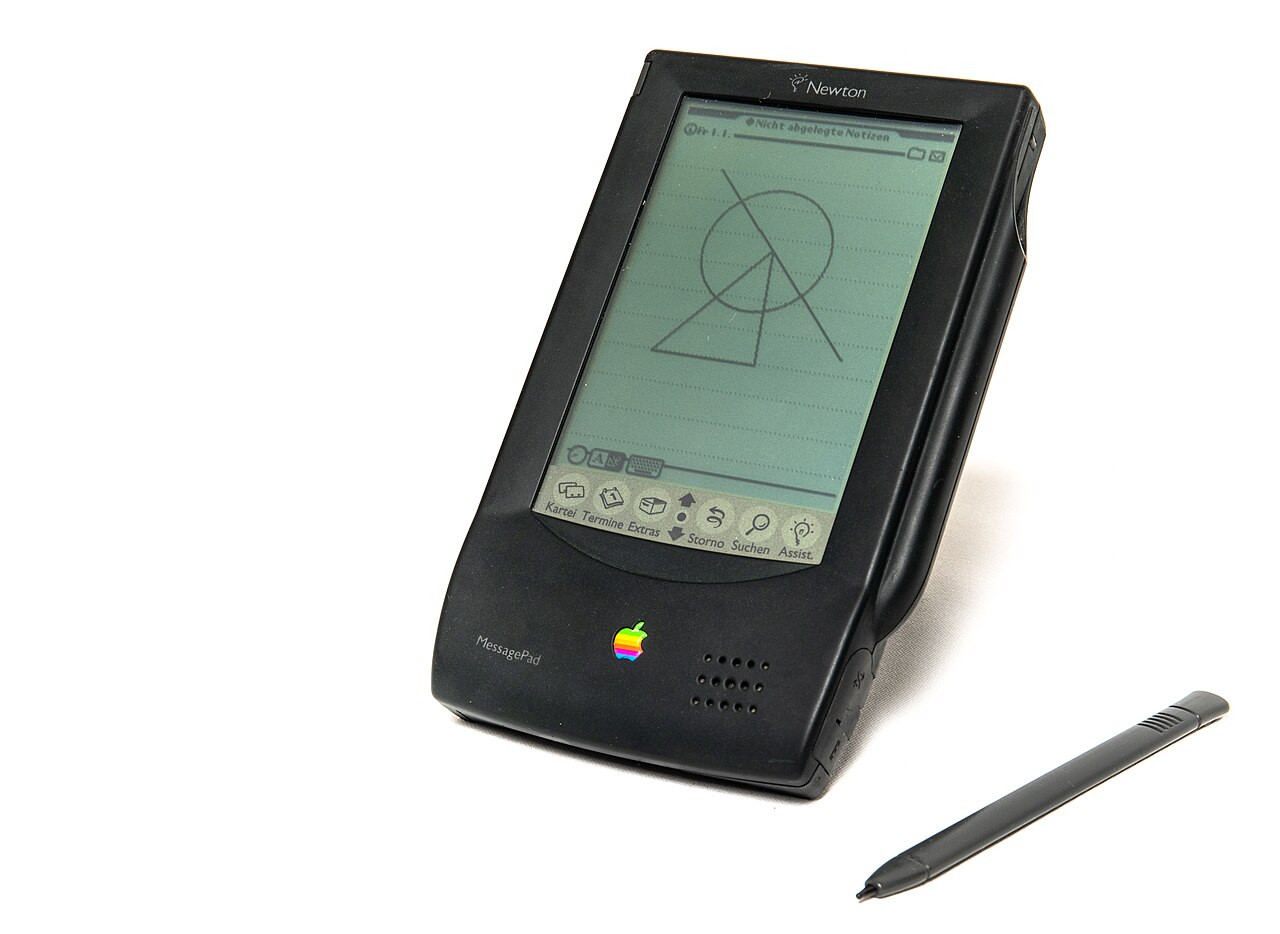
This is not to say that Apple didn’t offer innovative products during the decade, as it released the innovative yet much-maligned Newton personal assistant, the Pippin video game console (based on the Macintosh architecture), and even a digital camera.
The 2000s
Many link Apple’s renaissance in the 2000s with the 2001 launch of the iPod. The portable music player proved to be extremely popular and marked Apple’s first step toward becoming a consumer electronics company rather than a computer company.
In 2007, Steve jobs unveiled the original iPhone to a crowd at Macworld San Francisco. Many of you will remember how Jobs began the unveiling by treating it as the introduction of three separate products: a widescreen iPod with touch controls, a mobile phone, and an internet communications device. The crowd went wild when they realized that Jobs was introducing a single device.
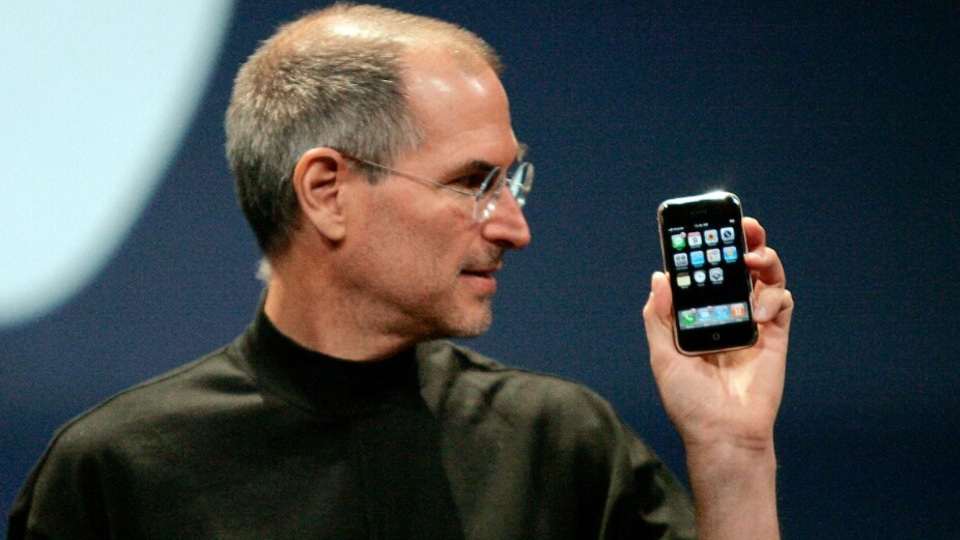
Last year, Apple announced that it had shipped three billion iPhones.
The 2010s
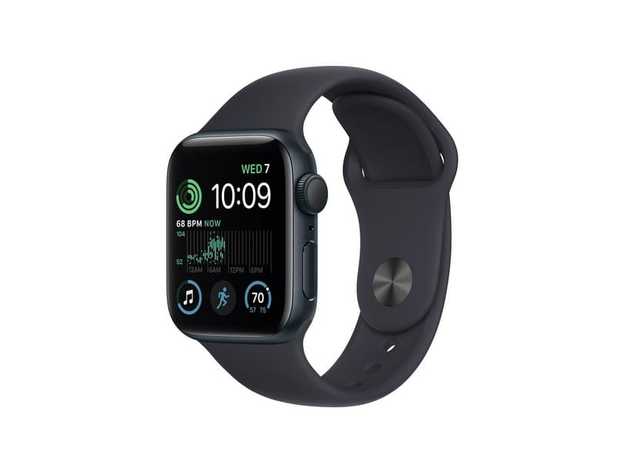
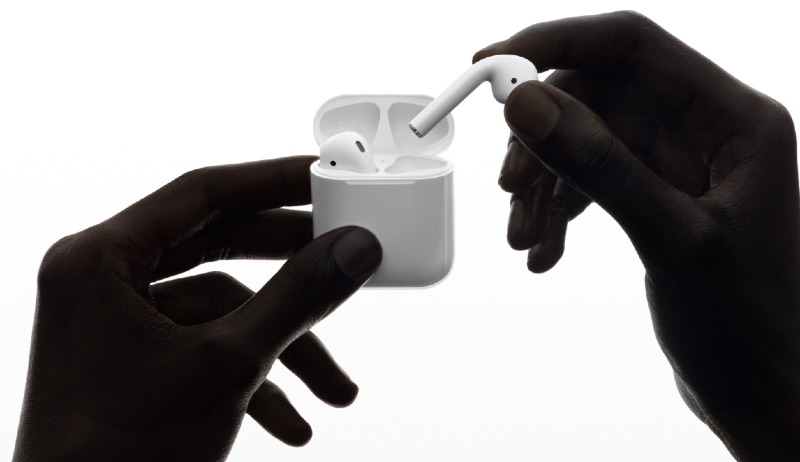
The 2010s say Apple products launch three new products that quickly dominated their markets. Apple’s tablet, the iPad launched in 2010, the Apple Watch debuted in 2015, and the AirPods first hit earholes in 2016.
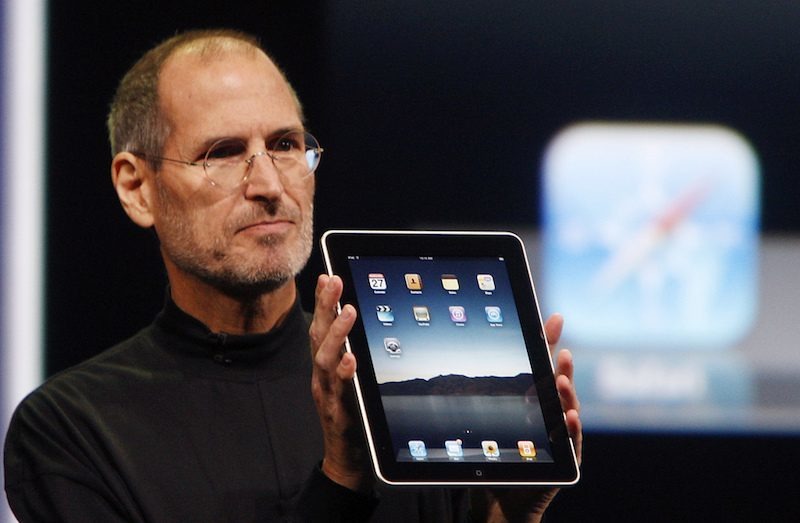
While the iPad was basically just a large-screened iPhone designed for the consumption of content when it first launched, it has since redefined what a personal computer is, although many users are content to use the device for its original purpose.
The Apple Watch has become one of the world’s most popular fitness-related devices, with millions of users now wearing the device. Over the years, the Apple Watch has added several health and safety-related features, including ECG and blood oxygen measurement, Crash Detection, Fall Detection, Emergency SOS, and other features.
Meanwhile, the AirPods have transformed from being just Bluetooth earbuds to offering on-the-fly language translation, hearing aid capabilities, and other health-related features.
The 2020s
We’re just a little more than halfway through the 20s, and Apple has continued to innovate during the decade.
In 2020, Apple began the Mac’s transition from Intel processors to its own in-house developed Apple Silicon. The first M1-powered Mac models were unveiled at WWDC 2020, where a 13-inch MacBook Pro, MacBook Air, and Mac mini debuted. Now all Macs are powered by M-Series chips, and macOS Tahoe 26 is the last version of macOS that will offer support for Intel Macs.

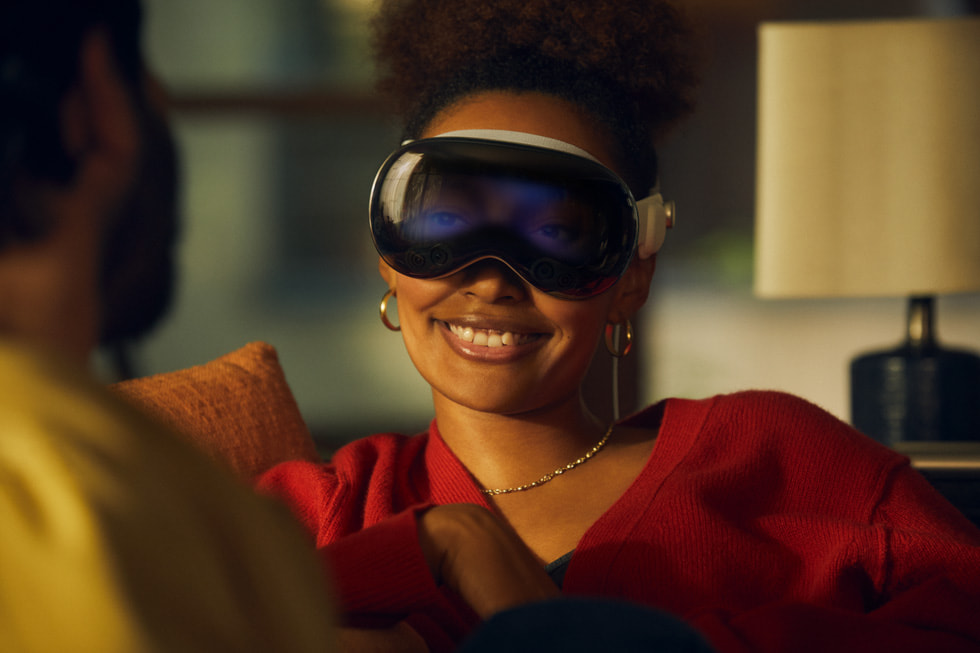
Apple launched its first spatial computing device in 2023, the Apple Vision Pro headset. In 2024, Apple unveiled Apple Intelligence, its first suite of Artificial Intelligence-related features. Sales of the Apple Vision Pro have been a bit underwhelming, and Apple has run into several issues with Apple Intelligence, although the company keeps on swinging.
What’s Next?
Over the next decade or so, Apple is expected to offer new wearables, including AirPods with cameras, smart glasses, and even a much-rumored pendant. And we can expect to see new and improved Macs, Apple Watches, iPads, iPhones, and more.
Stay tuned for the next 50 years!
